
Program 2026
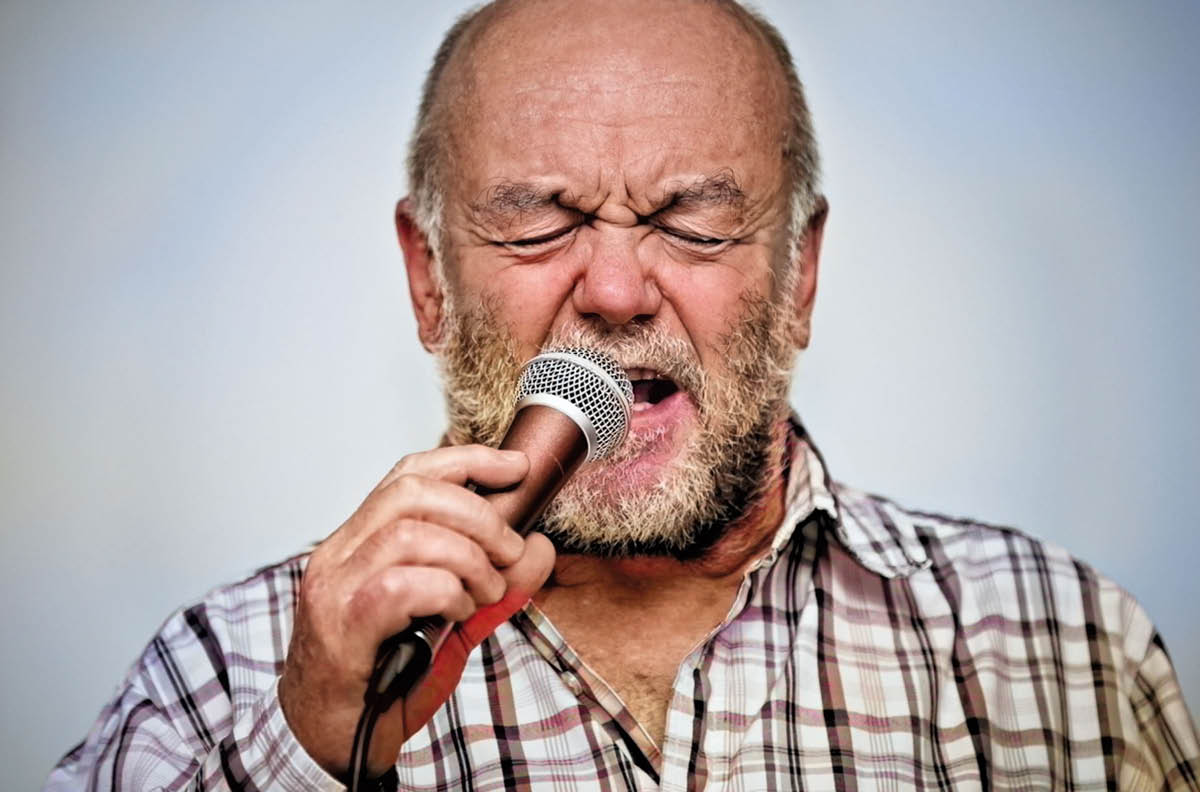
Peter Lipa
neděle
14/6/2026, 19.30
Jazzmin Bar & Dining
Vstupné dobrovolné. Výtěžek věnujeme dětskému hospici Dům pro Julii.
Peter Lipa je výraznou osobností slovenského jazzu. Už více než šest desetiletí formuje podobu tamní scény a jako jeden z prvních dokázal propojit jazz s přirozeností slovenského jazyka. Jeho osobitý vokální projev stojí na citlivé práci s textem, bluesovém cítění a schopnosti komunikovat s publikem napříč generacemi.
Line-up:
Peter Lipa – zpěv, Peter Lipa ml. – klávesy, Michal Šimko – baskytara, Jakub Kačic – bicí, Radovan Tariška – saxofon
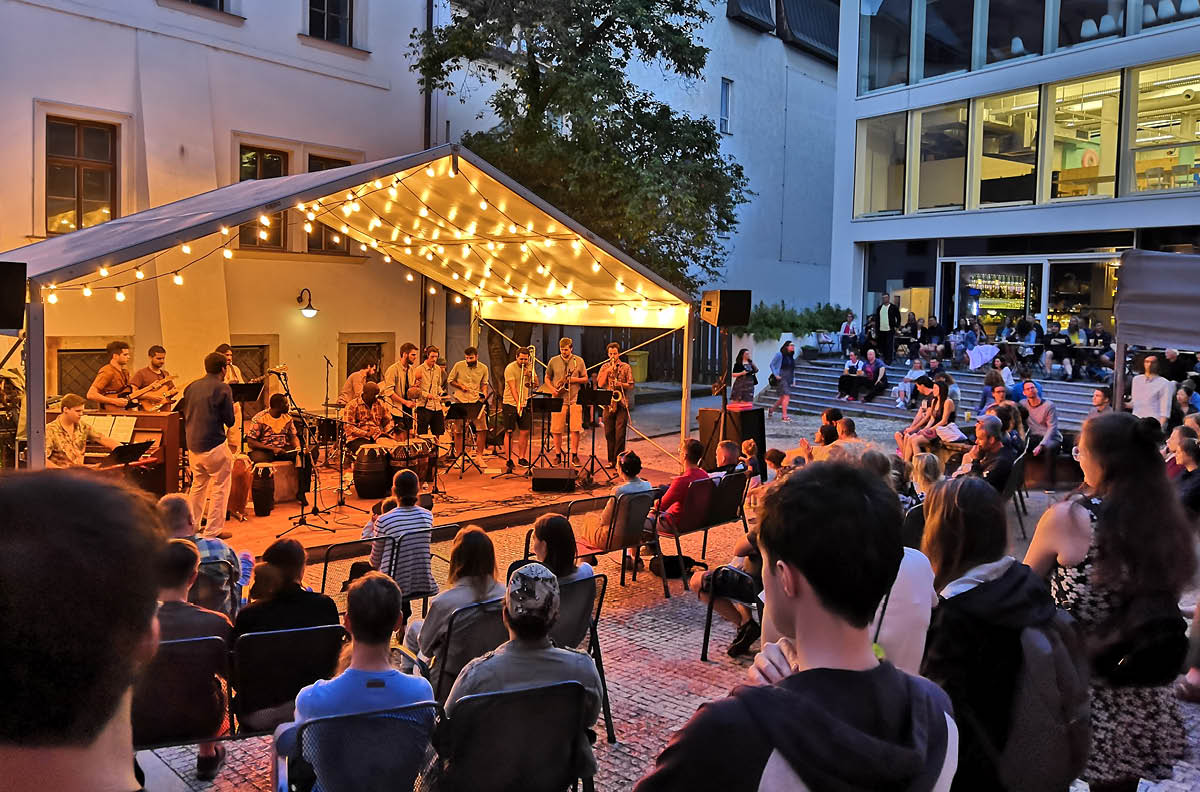
Jazzové nádvoří
úterý
16/6/2026, 15.30
nádvoří Divadla Husa na provázku
Jan Přibil Ensemble
Pavel Zlámal Ensemble
Tadeáš Slovák Band
JAMU ansámbl – Motown & More
RoundAbout
Matúš Jakabčic Undectet
Rytmický ansámbl HAMU
Marian Ševčík Ensemble
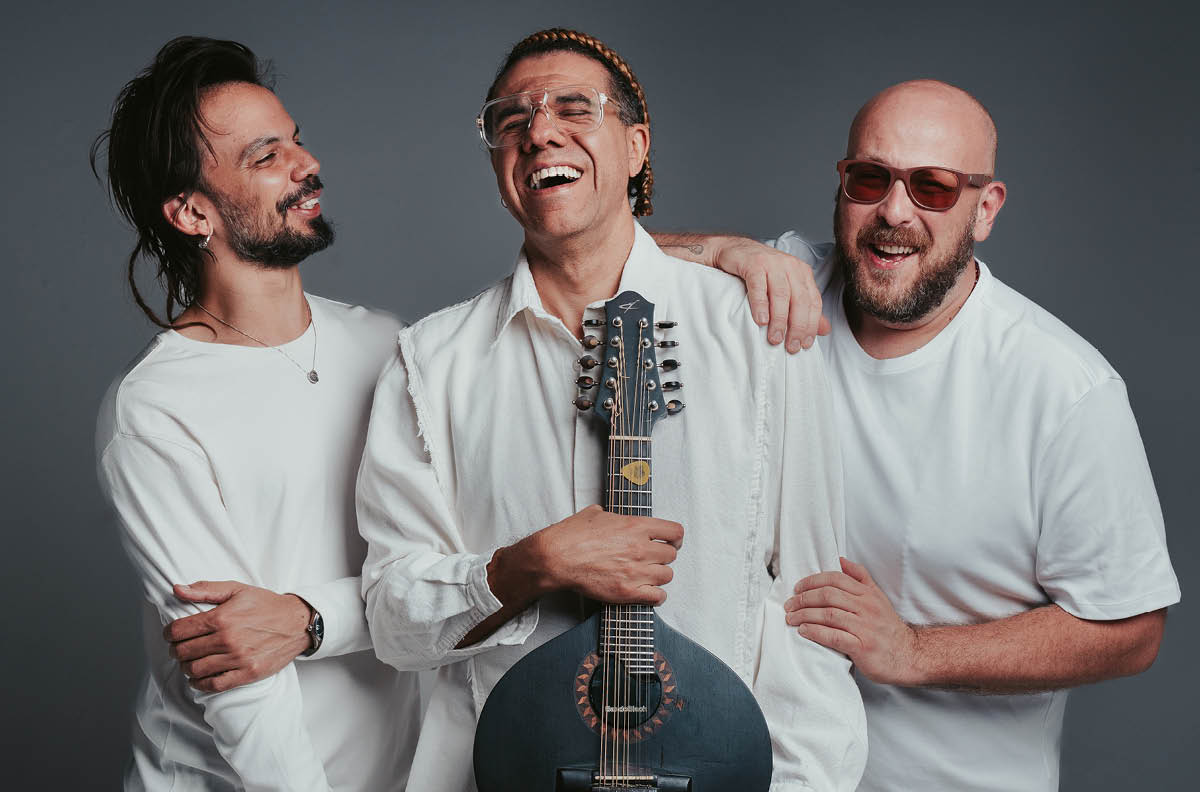
Hamilton de Holanda Trio
čtvrtek
30/7/2026, 19.30
Hrad Špilberk – Letní kino
Brazilský mandolinista Hamilton de Holanda je jedním z nejvýraznějších představitelů současné brazilské hudby. Znovuobjevil mandolínu a proměnil tento tradiční brazilský nástroj v moderní hudební hlas. Se svým triem představuje jedinečný hudební projekt, který citlivě propojuje jazz s bohatou tradicí brazilských hudebních stylů.
Toto trio bourá hned několik hranic – Hamilton de Holanda hraje na speciálně upravenou desetistrunnou mandolínu a klávesista Salomão Soares svojí hrou na piano, syntezátory a Moog nahrazuje roli baskytary. Jejich interpretace vyniká mimořádnou virtuozitou, precizní souhrou i hlubokým hudebním cítěním. Na programu zazní autorské skladby i osobité úpravy brazilských klasik. Výsledkem je výjimečný zážitek plný emocí, elegance a temperamentu.

Snarky Puppy
neděle
13/9/2026, 19.30
Sono
Pro některé posluchače je jazz introvertní a komorní hudba, na jejíž přijetí aby měl posluchač málem vystudovanou muzikologii. Takové myšlenky ale mnozí muzikanti dokážou postavit pěkně na hlavu. Jedněmi z nich jsou i členové „rodiny“ Snarky Puppy.
Když Michael League v roce 2003 na University of North Texas zakládal skupinu Snarky Puppy, dělal to paradoxně proto, že ho tehdy nevzali do žádného z oficiálních školních ansámblů. Tehdy netušil, že tento původně studentský projekt se postupně promění v pětinásobného držitele ceny Grammy a jednu z nejvlivnějších instrumentálních kapel současnosti. Skupina se od počátku vyhýbala škatulkám. Sám League jejich zvuk označuje za pouličního křížence, v němž se přirozeně mísí jazzová propracovanost s energií funku, rocku a soulu. Cesta k úspěchu ale nebyla okamžitá; první dekádu strávili hudebníci nekonečným cestováním v omlácených dodávkách a hraním pro hrstku lidí v zapadlých klubech.
Zásadní zlom přišel s albem Tell Your Friends z roku 2010, kdy kapela naplno rozvinula svou unikátní metodu nahrávání. Místo izolovaných studií totiž Snarky Puppy preferují nahrávání přímo před živým publikem, které sedí se sluchátky ve studiu, čímž vzniká neopakovatelná atmosféra „tichého koncertu“, který kombinuje preciznost nahrávacího studia s energií živého vystoupení.
Dnes jsou Snarky Puppy spíše rozsáhlou rodinou než uzavřenou kapelou. Kolektivem s přezdívkou „The Fam“ prošlo za dvacet let přibližně čtyřicet hudebníků, kteří se v sestavě střídají podobně jako v hokejovém týmu. Silné vazby má skupina i k České republice. Michael League studoval s českým pianistou Jiřím Levíčkem, o kterém dodnes mluví jako o velkém vzoru v propojování žánrů. Kuriozitou je, že si League pro své španělské studio vysnil konkrétní historické bicí značky Slingerland, které po dlouhém hledání v celé Evropě objevil a zakoupil v obchodě s hudebními nástroji v Opavě.
Nejnovější kapitolou příběhu Snarky Puppy je album Somni, vydané v listopadu 2025. Na tomto ambiciózním projektu se kapela spojila s padesátičlenným Metropole Orkest. Skladby inspirované Leagueovým životem ve Španělsku využívají až čtyři bubeníky současně a vytvářejí zvukovou krajinu, která je schopna posluchače přenést mimo realitu. Tak tomu nepochybně bude i na koncertě v rámci JazzFestBrno.

Dorota Barová Ensemble
pondělí
5/10/2026, 19.30
Vodojemy Žlutý kopec
Violoncellistka a zpěvačka Dorota Barová, dvojnásobná nominantka na Ceny Anděl 2025, vystoupí v exkluzivním obsazení, aby představila své nejniternější album v doprovodu hostů, které na jednom pódiu běžně neuvidíte.
Základním kamenem koncertního programu je poslední studiový počin Doroty Barové s názvem Píseň pro Mi. Toto album vzniklo jako hluboce osobní projekt, v němž Barová zhudebnila texty své blízké přítelkyně, zesnulé básnířky Michaely Vejnarové. Výsledkem je křehká, až snová nálada, která se vzpírá jednoduchému žánrovému zařazení.
O mimořádnosti desky svědčí i fakt, že za ni byla Barová nominována na dvě Ceny Anděl, a to v paradoxním, leč výstižném dvojboji: v žánrové kategorii Jazz a zároveň v kategorii Folk. Tato žánrová neukotvenost je pro Dorotu Barovou příznačná – její hudba je mostem mezi tradicí, improvizací a čistým písničkářstvím. Jako umělkyně, která prošla několika alternativními rockovými kapelami, sjezdila svět v unikátně obsazeném violoncellovém duu Tara Fuki, působí v klíčové kapele české jazzové scény Vertigo a ze smyčcové sekce jistí záda popové ikoně Anetě Langerové, má dostatek zkušeností, aby na vlastní projekt vydestilovala to nejhlubší, ze svých muzikantských schopností.
Jedním z nejsilnějších lákadel večera je samotné obsazení. Vedle stabilních členů tria – fenomenálního kytaristy Míry Chyšky a všestranného baskytaristy Miloše Klápštěho – se na pódiu objeví i hosté, jejichž společné živé vystoupení je naprostou vzácností. Zvukovou paletu rozšíří violoncellistka Alžběta Vlčková, a především mistr staré hudby Jan Krejča, který se ujme theorby. Právě zapojení tohoto barokního nástroje s dlouhým krkem a specifickým témbrem dodává hudbě Doroty Barové nečekanou barvitost.
Vodojemy na Žlutém kopci jsou proslulé svou specifickou akustikou, která vyžaduje maximální soustředění a cit pro prostor. Pro Dorotu Barovou, jejíž projev je postaven na dynamice a barvě hlasu, je to ideální výzva. Posluchači nebudou jen pasivními diváky, ale stanou se součástí komplexního zážitku, kdy je hudba doslova obklopí ze všech stran.

Dan Bárta & Robert Balzar
pondělí
19/10/2026, 18.00
Vila Tugendhat
V minimalistické formě dua vystupují zpěvák Dan Bárta a kontrabasista Robert Balzar jen zřídka a jejich spojení s architektonickým skvostem zapsaným na seznamu UNESCO slibuje událost, jež se nebude opakovat.
Když se řekne Dan Bárta a Robert Balzar, většina fanoušků si okamžitě vybaví nejen Bártovo rockové divočení s kapelou Alice, funkové odvazy s J.A.R. a osobitý komorní pop Illustratosphere, ale také mnohaletou spolupráci s Robert Balzar Triem. Formát dua s jeho lídrem je však přece jen něčím jiným – je to obnažená podstata hudby, kde není prostor pro chybu a kde každý tón, nádech i pohyb prstu po hmatníku kontrabasu získává absolutní význam.
Tato sestava se na pódiích objevuje jen vzácně. Zatímco s kompletním triem tvoří, jak víme z alb Theyories a Jedním dechem, Bárta sevřený a rytmicky bohatý celek, v duu s Balzarem se hudba mění v intimní konverzaci. Je to dialog mezi jedním z nejlepších evropských jazzových kontrabasistů a zpěvákem, který svým hlasem dokáže nahradit celý orchestr. Pro posluchače JazzFestBrno je toto spojení příležitostí nahlédnout do dílny obou umělců v té nejčistší možné podobě.
Ačkoliv přesný playlist zůstává do poslední chvíle zahalen tajemstvím – jak se na jazzové improvizátory sluší – dramaturgie bude pravděpodobně čerpat z bohatého společného archivu. Fanoušci se tak mohou těšit na originální interpretace jazzových, ale i popových a rockových standardů a samozřejmě na autorské skladby, které v průběhu let dokonale dozrály.
Volba místa konání není náhodná. Vila Tugendhat, ikona funkcionalismu, je proslulá svou čistotou, prací s prostorem a vzácnými materiály. Podobně lze charakterizovat i hudbu dua Bárta & Balzar – je moderní, strukturálně dokonalá, a přesto hluboce lidská a organická. Skleněné plochy vily, které propojují interiér se zahradou, vytvoří pro jazzové improvizace scénografii, kterou žádný běžný koncertní sál nenabídne.

Sachal Vasandani
Marta Kloučková & David Dorůžka
úterý
20/10/2026, 19.30
Cabaret Des Péchés
Sachal Vasandani je dnes považován za jednoho z nejvýraznějších jazzových zpěváků své generace. V jeho podání ožívá jazzová tradice v čerstvém, soulovém odění a oslovuje nejen ortodoxní fanoušky žánru, ale i milovníky moderního písničkářství.
Sachal Vasandani disponuje vzácným darem – dokáže předstoupit před burácející bigband s neochvějným swingovým sebevědomím, aby o pár minut později v naprostém ztišení odhalil nejhlubší emoce v klasické baladě. Právě tato zranitelnost a schopnost hluboké improvizace napříč melodickými linkami i rytmickými strukturami z něj učinily vyhledávaného partnera světových hvězd. Během své kariéry stanul na pódiu po boku takových ikon, jako jsou Wynton Marsalis, Bobby McFerrin, Bill Charlap nebo Milton Nascimento.
Do Brna Vasandani přijíždí v ideální tvůrčí formě, podpořené svým aktuálním albovým počinem Best Life Now. Aby svým příběhům o moderní lásce se všemi světly i stíny dodal patřičný puls, přizval k produkci alba bubenického vizionáře a mistra funkových groovů Natea Smithe, který koncertoval na JazzFestu Brno v loňském roce. Výsledkem je zvuk, ve kterém je Vasandaniho uhrančivý vokál obklopen nápaditými beaty a chytlavými melodiemi. Je to jazz, který dýchá soulem a funkem, přičemž si zachovává svou žánrovou hloubku.
Kromě své koncertní činnosti je Vasandani uznáván jako jeden z předních jazzových pedagogů a žánrových věrozvěstů. Jeho semináře a workshopy po celém světě jsou vyhlášené kombinací přísného technického základu a otevřeného tvůrčího ducha. Tato schopnost analytického pohledu na hudbu se propisuje i do jeho vlastních kompozic a textů, díky čemuž jsou jeho vystoupení technicky brilantní, a přitom lidsky bezprostřední.
Na koncertě v rámci JazzFestBrno se technická dokonalost potká s ryzí emocí. Sachal Vasandani totiž potvrzuje, že jazzová improvizace může být živý, tepající jazyk, kterým lze vyprávět i o našich každodenních radostech a strastech. Ostatně tak, jak tomu bylo a je u těch největších vokalistů jazzové historie i současnosti.
Ačkoliv se dvě výrazné osobnosti současné české scény, zpěvačka Marta Kloučková a kytarista David Dorůžka, potkávají na pódiích i v nahrávacích studiích opakovaně, například v rámci zpěvaččina zavedeného kvintetu, jejich aktuální projekt představuje zásadní zlom.
Společné album Kloučkové a Dorůžky s názvem How Little We Dream je jejich debutem v ryze komorní atmosféře jazzového dua. Volba intimního formátu nebyla náhodná, ale vyplynula z přirozené potřeby obou umělců po maximální tvůrčí svobodě a vzájemném hudebním napojení. Pro Martu Kloučkovou představuje práce ve dvojici s Davidem Dorůžkou velmi svobodný způsob zpívání, který jí otevírá široký prostor k vokálním experimentům i k interpretačním polohám odlišným od těch, které využívá ve větších formacích. Na rozdíl od své autorské tvorby s kapelou se zde může plně soustředit na interpretaci písní a textů jiných autorů, a to v rozpětí od písňové jednoduchosti až po dramaticky vypjaté polohy. Také David Dorůžka, kytarista s mezinárodním renomé a vytříbeným citem pro barvu zvuku, vnímá formát dua jako jednu ze svých nejoblíbenějších disciplín, neboť v jeho očích představuje ideální formu čistého hudebního dialogu.
Jako základní materiál pro toto albové setkání posloužily skladby, které křižují žánry a dekády napříč celým posledním hudebním stoletím. Dramaturgie koncertu i desky je tak neobyčejně pestrá a odvážná. Posluchači se dočkají výletu k meziválečným standardům z konce dvacátých let, ale i návštěvy u písničkářských ikon, jakými jsou Bob Dylan, Joni Mitchell a Paul Simon. Překvapivým a osvěžujícím momentem je zařazení současného popového hitu Wildflower od Billie Eilish z roku 2025, což dokazuje, že duo Kloučková & Dorůžka neuznává v hudbě žádné umělé bariéry. Kromě zmíněných jmen se v jejich repertoáru objevují i díla jazzových velikánů Thelonia Monka či Waynea Shortera, nebo psychedelický odkaz Grace Slick z Jefferson Airplane.
Punc neopakovatelné události přidá koncertu dua Kloučková & Dorůžka také to, že během něj bude album How Little We Dream slavnostně pokřtěno.

Tigran Hamasyan
středa
25/11/2026, 19.30
Sono
Dvě věci jsou na Tigranu Hamasyanovi naprosto zásadní. Podařilo se mu naprosto organicky vštípit jazzu zcela specifický hudební výraz s arménskou duší, a podařilo se mu to už jako velmi mladému.
Jeho cesta k pianu začala už ve třech letech, přičemž od šesti se hudbě věnoval systematicky. Ačkoliv ho v dětství lákala spíše dravost metalových kytar, v devíti letech se plně odevzdal jazzu. Kromě studia složitých harmonií a struktur se zaměřil především na improvizaci. Už v dospívání si uvědomil, že jeho arménské kořeny jsou stejně zásadním zdrojem inspirace jako nahrávky amerických legend, a začal lidové motivy své vlasti vplétat do vlastních skladeb. Tento tvůrčí směr si udržel i po přesídlení do USA, kde v hudebním rozvoji pokračoval.
Hamasyanovu ranou kariéru definuje řada úspěchů, které svět upozornily na výjimečný zjev z arménského Gjumri. V šestnácti letech triumfoval ve francouzské soutěži Jazz à Juan Révélations i na festivalu v Montreux, kde získal Cenu kritiků. V devatenácti letech ovládl prestižní soutěž Thelonious Monk Institute v Los Angeles. V té době už měl navíc na kontě svou prvotinu World Passion. Od té doby stihl vydat deset studiových alb, která se většinou pohybují na hraně jazzu a arménské lidové hudby, s občasnými odbočkami k progresivnímu rocku. Po zkušenostech u velkých vydavatelství jako Verve nebo ECM zakotvil u novátorského labelu Nonesuch. Právě zde vydal album StandArt, na kterém se poprvé v kariéře plně soustředil na interpretaci amerických jazzových standardů z pera velikánů, jako jsou Jerome Kern či Charlie Parker. Následující album The Bird of a Thousand Voices bylo ve znamení návratu k vlastním kořenům v rámci koncepčního dvojalba inspirovaného arménskou lidovou pohádkou.
Na aktuální novince Manifeste se Tigran Hamasyan posouvá k hutnějšímu soundu na pomezí jazzu a progresivního rocku, přičemž do hry zapojuje i metalově laděnou kytaru. Impozantní projekt vznikal dva roky v různých studiích po celém světě komplexní, bohatou produkcí. Navzdory zvukové dravosti zůstává autor věrný svým kořenům, což dokazuje využitím tradičních arménských nástrojů nebo spoluprací s Jerevanským státním komorním sborem. Deska je koncipována jako introspektivní hledání identity, v němž Hamasyan propojuje hned několik hudebních světů do jednoho pestrého a překvapivého celku. Převedení studiové nahrávky na pódium bude nepochybně velkým zážitkem.

Punch Brothers
úterý
26/1/2027, 18.00, 20.30
Sono
Jsou hudebníci, kteří oslovují fanoušky úzce vymezených žánrů, ale dosah za jejich hranice je pramalý. A pak jsou tady Punch Brothers a nemnoho dalších, před jejichž hudbou stojí s otevřenými ústy každý, ať už je jeho žánrovou doménou cokoli.
Americká skupina Punch Brothers, vedená virtuózním mandolinistou Chrisem Thilem, který v roce 2022 zazářil v Besedním domě na svém sólovém recitálu, se po letech vrací do České republiky, a to v rámci exkluzivního brněnského dvojkoncertu. Tato formace, která je považována za absolutní špičku současné akustické hudby, slaví dvacáté výročí založení a má právě na kontě nové instrumentální album.
Punch Brothers vznikli v roce 2006 z iniciativy Chrise Thileho, který po úspěchu se svou předchozí kapelou Nickel Creek hledal prostor pro ambicióznější propojování žánrů. Skupina se od svého vzniku brání jednoduchému zařazení do bluegrassové škatulky. I když nástrojové obsazení – mandolína, kytara (Chris Eldridge), banjo (Noam Pikelny), kontrabas (Paul Kowert) a housle (nově s Brittany Haas) – odpovídá tradičním bluegrassovým souborům, jejich hudební řeč čerpá stejnou měrou z klasické kompozice, jazzové improvizace i indie-rockové energie.
Londýnské The Times o Punch Brothers píší jako o „brilantních, odvážných, originálních a především zábavných“. Právě tato kombinace technické dokonalosti a divácké atraktivity udělala z Punch Brothers kultovní záležitost po celém světě. Jejich diskografie, čítající alba jako Antifogmatic (2010) nebo cenami ověnčené All Ashore (2018), za které získali Grammy za nejlepší folkové album, mapuje cestu muzikantů, kteří dokážou v jeden moment citovat Johanna Sebastiana Bacha a v druhém hrát zběsilý jam, který připomíná Radiohead v akustickém balení.
Nadcházející koncerty v Brně budou pro fanoušky výjimečné i tím, že poprvé na českém pódiu uvidí kapelu v nové sestavě. Dlouholetého houslistu Gabea Witchera v roce 2023 nahradila Brittany Haas, jejíž styl vnáší do kapely novou dynamiku. Právě s ní Punch Brothers nahráli pro prestižní vydavatelství Nonesuch Records své nové, v pořadí sedmé studiové album s názvem The Unsung Adventures of Punch Brothers. Toto album je pro skupinu milníkem – jde o jejich první čistě instrumentální nahrávku. Obsahuje osm nových autorských kompozic a tři unikátní aranže tradičních písní. Brněnské publikum tak bude mít vzácnou příležitost slyšet tento nový materiál mezi prvními na světě.
Chris Thile – mandolína
Brittany Haas – housle
Noam Pikelny – banjo
Chris Eldridge – kytara
Paul Kowert – kontrabas
Poukaz BAD CAT ID
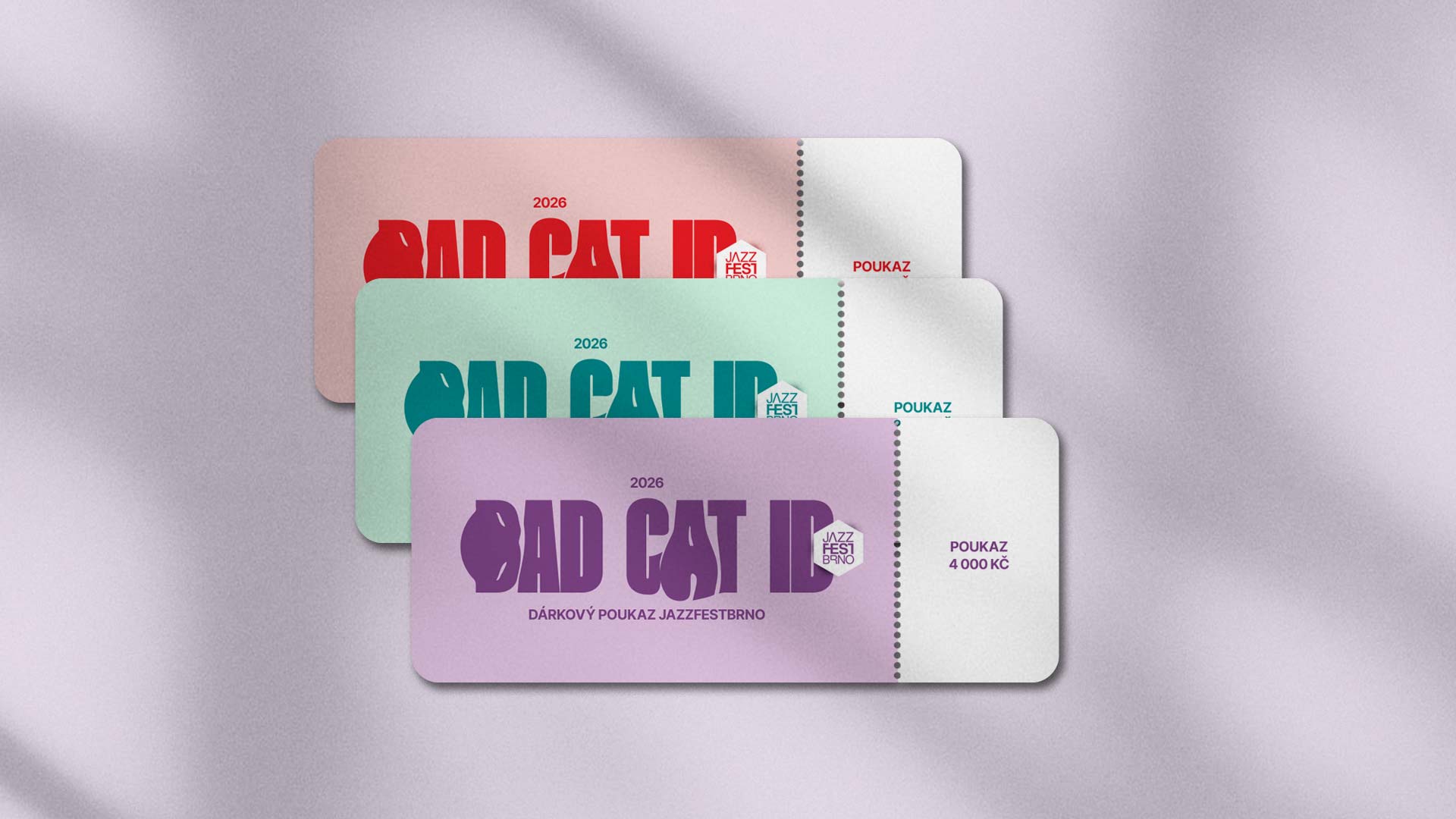
Chcete někoho potěšit vstupenkou na koncert, ale nevíte, jakou svým blízkým koupit? Proto máme Bad Cat ID – průkazku jazzového nadšence. Stačí si vybrat výši poukazu a ke každému od nás dostanete dárek navrch: poukaz na 1 500 Kč (s taškou), na 2 000 Kč (s tričkem), nebo na 4 000 Kč (s dárkem dle výběru).
Proběhlé koncerty
Béla Fleck, Edmar Castaneda, Antonio Sánchez
6/2/2026, 19.30
Sono
Esperanza Spalding
13/2/2026, 19.30
Sono
Julius Rodriguez
22/3/2026, 19.30
Cabaret des Péchés
Brad Mehldau & Christian McBride
28/3/2026, 18.00, 20.30
Besední dům
KUF
Samo Benko Orchestra
31/3/2026, 20.00
Kabinet MÚZ
Larry Goldings, Peter Bernstein, Bill Stewart
Libor Šmoldas Quartet
7/4/2026, 19.30
Cabaret des Péchés
Isaiah Sharkey
15/4/2026, 19.30
Cabaret des Péchés
Marquis Hill – Composers Collective
Lukáš Oravec Quintet feat Jure Pukl
19/4/2026, 19.30
Cabaret des Péchés
Shai Maestro Quartet
Glance
21/4/2026, 19.30
Cabaret des Péchés
Koncert Katedry jazzu
22/4/2026, 19.30
Divadlo na Orlí
GoGo Penguin
28/4/2026, 19.30
Sono
New Jazz Underground
flui
30/4/2026, 19.30
Cabaret des Péchés
Joshua Redman
5/5/2026, 19.30
Sono
Oz Noy Trio
12/5/2026, 19.30
Cabaret des Péchés
JazzFestBrno dětem
17/5/2026
SVČ Lužánky
Tom Skinner
21/5/2026, 18.00, 20.30
Vodojemy Žlutý kopec